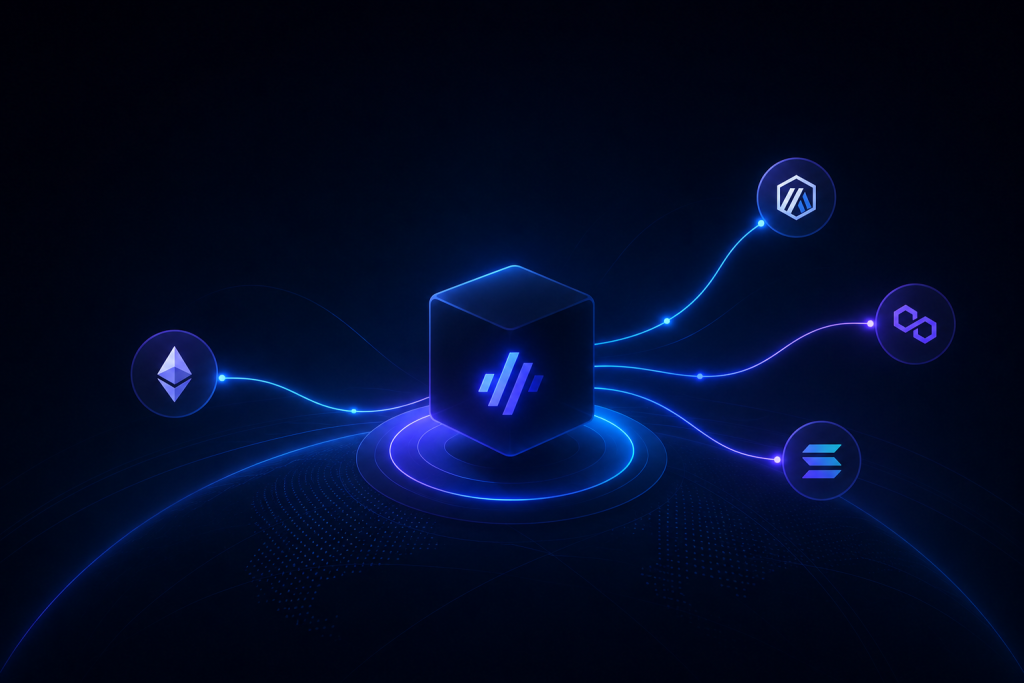
What Is Intent-Based Trading in DeFi?
Last Updated: May 21, 2026
Methodology: This analysis is based on decentralized exchange infrastructure, Ethereum ecosystem developments, solver-based execution models, and emerging DeFi trading architectures observed between 2025 and 2026.
What is intent-based trading in DeFi?
Intent-based trading is a new decentralized finance trading model where users specify the outcome they want instead of manually defining every transaction step.
Rather than selecting routes, slippage settings, bridges, or execution paths themselves, users simply express an “intent,” while external solvers or protocols compete to execute the trade in the most efficient way possible.
In simple terms, users describe what they want, and the protocol handles how it gets done.
Quick Summary
- Definition: Outcome-focused DeFi trade execution model
- Main Benefit: Simpler and more efficient trading experience
- Main Technology: Solvers and automated execution infrastructure
Real-World Example
Instead of manually bridging assets, swapping across multiple decentralized exchanges, and adjusting gas settings, a user can simply request:
“Swap USDC on Ethereum into ETH on another network at the best possible rate.”
The protocol then finds the most efficient execution path automatically.
Why Intent-Based Trading Is Important
Traditional DeFi trading can be complicated for average users.
In many cases, traders must:
- Choose networks manually
- Configure slippage settings
- Select liquidity routes
- Handle bridging separately
- Monitor gas costs
- Avoid MEV exposure
As decentralized finance becomes more complex, many protocols are trying to simplify execution infrastructure.
That is where intent-based systems become important.
Why Intent-Based Trading Is Trending in 2026
The rapid growth of:
- Cross-chain trading
- Modular blockchain ecosystems
- DeFi aggregators
- Solver networks
- MEV protection systems
- Automated execution infrastructure
has accelerated interest in intent-based trading models.
At the same time, many developers believe traditional DeFi interfaces remain too technical for mainstream adoption.
Intent-based systems aim to reduce that complexity significantly.
How Does Intent-Based Trading Work?
Intent-based trading separates user goals from execution mechanics.
Instead of manually building transactions, users define desired outcomes while external systems handle optimization.
The Basic Process
- User Defines Intent The user specifies the desired result.
- Solvers Analyze Opportunities External solvers search for the most efficient execution strategy.
- Execution Optimization Routes, liquidity sources, bridges, and gas usage are optimized automatically.
- Transaction Settlement The protocol finalizes the trade on-chain.
What Are Solvers in DeFi?
Solvers are specialized entities or systems that compete to fulfill user intents.
They may optimize for:
- Lowest cost
- Fastest execution
- Best exchange rate
- Reduced slippage
- Lower MEV exposure
In practice, solvers function similarly to execution engines operating behind the scenes of modern DeFi infrastructure.
Traditional DeFi vs Intent-Based Trading
| Feature | Traditional DeFi | Intent-Based Trading |
|---|---|---|
| User Control | Manual | Outcome-focused |
| Complexity | High | Lower |
| Execution | User-managed | Solver-managed |
| Route Optimization | Manual selection | Automated |
| Cross-Chain Handling | Complex | Simplified |
| User Experience | Technical | More accessible |
Main Benefits of Intent-Based Trading
Simpler User Experience
Users no longer need to understand every technical step behind complex transactions.
Better Trade Execution
Solvers compete to provide efficient execution paths.
Cross-Chain Optimization
Intent systems can manage bridging and routing automatically.
Lower Friction
Users spend less time adjusting technical settings manually.
Potential MEV Reduction
Some intent systems may reduce harmful transaction exposure by hiding execution details from public mempools.
Risks and Limitations
Despite its advantages, intent-based trading also introduces several important considerations.
Solver Centralization
A small number of dominant solvers could gain excessive influence over execution infrastructure.
Trust Assumptions
Users may rely heavily on external execution systems.
Complex Infrastructure
Intent architectures are technically advanced and still evolving.
Potential Execution Failures
Cross-chain execution systems may occasionally experience delays or settlement issues.
Intent-Based Trading and Cross-Chain DeFi
Intent systems are becoming especially important in cross-chain environments.
Without automation, users often face complicated workflows involving:
- Bridges
- Multiple wallets
- Gas tokens
- Network switching
- Liquidity fragmentation
Intent-based protocols attempt to abstract these steps into a simpler experience.
Intent-Based Trading vs Aggregators
| Factor | DEX Aggregators | Intent-Based Trading |
|---|---|---|
| Main Function | Route comparison | Outcome execution |
| User Input | Detailed | Simplified |
| Cross-Chain Support | Partial | Stronger |
| Execution Logic | Visible | Solver-managed |
| Automation Level | Medium | High |
What Makes Intent-Based Systems Different?
The key innovation is abstraction.
Users interact at the intent level rather than the transaction level.
That matters because many blockchain applications still expose too much infrastructure complexity to regular users.
Intent systems attempt to make decentralized finance feel closer to modern consumer applications.
Popular Areas Using Intent-Based Infrastructure
Cross-Chain Swaps
Users can move assets between networks without manually bridging.
Smart Wallet Systems
Intent models work closely with account abstraction and programmable wallets.
DeFi Automation
Protocols can automate portfolio management and execution logic.
MEV-Resistant Trading
Some intent architectures reduce transaction visibility before execution.
Why Developers Are Interested in Intent Systems
Many blockchain developers believe execution abstraction is necessary for mainstream adoption.
Although DeFi infrastructure has improved significantly, most applications still require technical knowledge that average users do not have.
Intent-based systems may help solve that problem by simplifying how users interact with decentralized finance.
How to Evaluate Intent-Based Protocols
Before using intent-based systems, users should review:
- Solver decentralization
- Security architecture
- Cross-chain reliability
- MEV protection systems
- Execution transparency
- Liquidity access
- Smart contract audits
The Future of Intent-Based Trading
Many analysts believe intent-based architecture could become a foundational layer of next-generation DeFi infrastructure.
Over time, users may stop interacting directly with complicated blockchain mechanics altogether.
Instead, decentralized applications may increasingly operate through:
- Smart execution systems
- Automated solvers
- AI-assisted trading infrastructure
- Cross-chain abstraction layers
- Intent-driven smart accounts
If this trend continues, intent-based systems could significantly reshape how users experience decentralized finance.
Explore the Next Generation of DeFi Infrastructure
Understanding intent-based trading helps users evaluate how decentralized finance is evolving toward simpler interfaces, smarter execution systems, and more efficient blockchain infrastructure.
Explore advanced crypto markets, blockchain ecosystems, and professional trading tools with ICRYPEX.
Related Guides
To better understand modern blockchain infrastructure:
- What Is MEV in Crypto?
- What Is Account Abstraction?
- What Is Restaking?
- What Is On-Chain Analysis?
- Modular vs Monolithic Blockchains Explained